Clear Your Drains, Transform Your Life: The Significance of Regular Drain Cleaning Services
Blocked drains can interrupt everyday routines and result in expensive fixes. Routine drain maintenance services serve a vital function in preserving residential plumbing systems. These services don't just stop blockages but additionally reduce hazards linked to mold and bacterial valuable resource growth. Homeowners often overlook the signs that indicate the need for cleaning. Understanding these signs and the importance of professional services can greatly impact home maintenance. What aspects should residents examine before arranging their next maintenance visit?
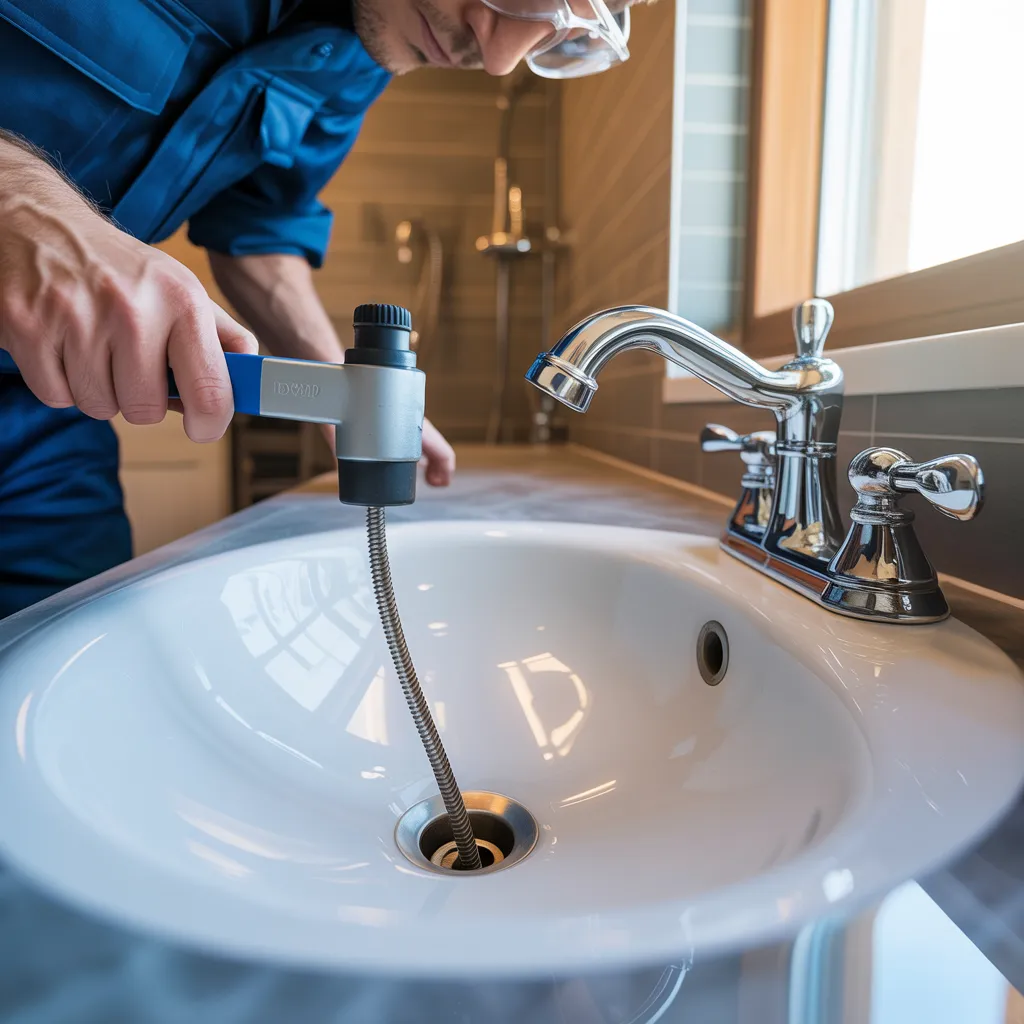
Why Regular Drain Cleaning Is Essential for Your Home
Although many house owners could disregard the importance of regular drain cleaning, overlooking this vital maintenance task can cause serious problems. Obstructed drains can result in water backups, causing damage to plumbing systems and potential flooding. Over time, collection of debris, grease, and soap can impede water flow, creating an environment favorable for mold and bacteria growth.
Routine drain cleaning not only prevents clogs but also prolongs the lifespan of plumbing systems. It guarantees that waste flows efficiently, decreasing the risk of costly repairs. Furthermore, clean drains contribute to a healthier home environment by eliminating unpleasant odors and potential health hazards linked to stagnant water. For these reasons, investing in scheduled drain cleaning can save homeowners from the stress and expense of emergency plumbing problems, ultimately providing peace of mind and a well-maintained home.
Key Indicators Your Drains Require Cleaning Immediately
Property owners should be aware of a number of essential warning signs that indicate their drains demand timely cleaning. Sluggish water drainage, bad odors, and frequent clogs are usual signals that can point to hidden problems. Tackling these symptoms quickly can help stop more issues and maintain a properly operating plumbing system.
Water Draining Slowly
Water sluggishly draining from sinks, tubs, or showers typically suggests an pressing necessity for specialized drainage cleaning services. This problem usually occurs from a accumulation of waste materials, such as food particles, hair, or soap buildup, obstructing the regular flow of water. Homeowners may first observe the problem when water takes an extended period to disappear, signaling that the drainage system is having trouble. If not resolved, sluggish drainage can escalate into more significant obstructions, leading to potential damage and significant repair costs. Periodic examinations can help identify these issues early, permitting timely interventions. In the end, detecting the signs of sluggish water drainage is vital for maintaining the general condition of drainage systems and ensuring a well-operating home environment.
Disagreeable Odors Emitting
Disagreeable stenches arising from drains can be a telltale signal that expert drain cleaning is required. These offensive aromas often point to the collection of organic matter, grease, or other debris trapped within the plumbing system. When these substances start to decompose, they produce offensive vapors that saturate the air, generating an uncomfortable environment. Homeowners may experience these odors especially in kitchens and bathrooms, where food remnants and bathroom products accumulate. Overlooking these indicators can result in more serious plumbing issues, including clogs and leaks. Routine drain cleaning not only eliminates these odors but also enhances better hygiene and optimal operation of the plumbing system. Tackling unpleasant smells immediately can stop further complications and assure a fresher home environment.
Regular Clogs Occurring Regularly
Regular clogs typically point to an immediate need for drain maintenance services. Residents commonly encounter persistent obstructions that disturb normal routines and create irritation. These clogs may arise from a buildup of hair, grease, food particles, or foreign objects obstructing the pipes. Disregarding these problems may generate more significant pipe issues, such as leakage or entire system blockages. Individuals should be attentive to slow drains or gurgling sounds, as these are common indicators that drains require immediate attention. Consistent professional service can thoroughly clear accumulations and stop upcoming obstructions, securing proper drainage and sustaining the complete wellness of pipe networks. Addressing these signs promptly can save homeowners from costly repairs down the line.
Main Benefits of Employing Professional Drain Cleaning Services
Employing professional drain cleaning services presents substantial benefits for homeowners. By dealing with potential plumbing issues early, these services assist in avert costly repairs down the line. Furthermore, maintaining clean drains enhances improved hygiene standards within the home.
Avoid Pricey Plumbing Concerns
A lot of homeowners overlook the critical nature of regular drain maintenance, frequently resulting in major plumbing troubles down the line. When drains are left unattended, minor clogs can develop into major blockages, leading to costly repairs and widespread damage. Professional drain cleaning services can identify and resolve potential problems before they deteriorate, saving homeowners from the financial burden of emergency plumbing services. These experts leverage specialized tools and techniques to verify drains are clear and functioning properly, thereby minimizing the risk of leaks, backups, and other plumbing emergencies. Furthermore, routine maintenance can enhance the lifespan of plumbing systems, enabling homeowners to avoid premature replacements. Essentially, investing in professional drain cleaning services is a proactive measure that avoids expensive plumbing complications.
Strengthen Home Cleanliness Standards
Maintaining a clean and hygienic home environment is crucial for the well-being of its occupants. Professional drain cleaning services play an important role in achieving this standard. Over time, drains collect debris, grease, and organic matter, creating ideal conditions for bacteria and mold growth. By enlisting experts, homeowners can guarantee thorough cleaning that reaches deep into the plumbing system, eliminating hidden contaminants. Regular professional interventions not only boost hygiene but also elevate indoor air quality, reducing health risks associated with poor sanitation. Furthermore, these services prevent unpleasant odors, contributing to a more pleasant living space. Ultimately, investing in professional drain cleaning promotes a healthier home, ensuring the safety and comfort of all who reside within.
Is DIY Drain Cleaning Right for You?
When considering whether to tackle drain cleaning as a DIY project, one should evaluate the potential benefits against the risks involved. From one perspective, DIY drain cleaning can help you save money and yield immediate results. Homeowners may find success with simple methods, such as using a plunger or a mixture of baking soda and vinegar for minor clogs. However, the risks of trying this task without proper knowledge can be significant.
Poor techniques could result in additional blockages or even damage to plumbing systems. Furthermore, harsh chemical cleaners can present health risks if not handled correctly. For stubborn or severe clogs, professional services are often more efficient and safer. At the end of the day, while DIY can be attractive for minor issues, homeowners should thoughtfully evaluate their skill level and the complexity of the problem before proceeding. Making an informed decision can eliminate further costs and complications down the line.
How Often Should You Schedule Drain Cleaning?
How often should property owners think about arranging drain cleaning to ensure optimal plumbing health? Industry experts recommend performing residential drain cleaning a minimum of once yearly. This forward-thinking method helps avoid obstructions and deposits that could cause more significant plumbing complications. Properties with several residents or aging plumbing systems might require more regular cleanings, possibly every six months.
In addition, specific indicators, like sluggish sink drainage or recurring backups, signal that property owners should seek professional services promptly. Seasonal shifts can also impact drain performance; for example, substantial precipitation may warrant additional attention to outdoor drainage systems.
Does Preventive Drain Maintenance Pay Off?
Preventative drain maintenance is invaluable for homeowners looking to sidestep costly plumbing emergencies. By scheduling routine inspections and cleanings, property owners can detect potential issues before they develop into significant problems. This proactive approach not only preserves money but also increases the lifespan of plumbing systems.
Blockages, accumulation, and drips are regular complications that can disrupt daily life. Proactive servicing lessens these risks, making certain that drains operate efficiently. Moreover, it elevates the overall health of a household by reducing the likelihood of foul odors and unsanitary conditions due to stagnant water.
Committing to preventive services also provides peace of mind, knowing that skilled technicians are overseeing and resolving concerns promptly. At the end of the day, the benefits of preventive drain maintenance exceed the costs, making it a prudent choice for homeowners looking to secure their plumbing systems against unforeseen challenges.
How to Choose the Ideal Plumbing Service for Your Drain Requirements
Choosing the right plumbing service for drain needs can significantly impact the effectiveness of preventive maintenance efforts. To begin, one should look for recommendations from trusted sources, including relatives and friends, to identify reputable services. Online reviews and ratings can offer valuable insights into customer experiences and satisfaction levels.
Subsequently, it is vital to validate credentials. Licensed and insured plumbers not only guarantee compliance with local codes but also offer a safeguard against potential liability. Additionally, inquire about the range of services offered; a versatile plumbing service is better equipped to handle multiple drain issues.
Expense should also be factored in, but it ought not to be the single deciding factor. Comparing quotes from various providers can help find reasonable pricing without compromising quality. Lastly, effective communication and prompt responses from the plumbing service can demonstrate their professionalism and commitment to customer satisfaction.
Often Asked Questions
What Costs Are Associated With Drain Cleaning Services?
The fees connected to drain cleaning services typically fall between $100 to $300, contingent upon factors such as the seriousness of the clog, location, and additional services required. Homeowners should account for these costs in their maintenance budget planning.
Can Drain Cleaning Prevent Future Plumbing Emergencies?
Absolutely, regular drain cleaning can stop future plumbing emergencies. By removing buildup and obstructions, it minimizes the risk of clogs, leaks, and backups, ultimately extending the lifespan of plumbing systems and guaranteeing smoother operation.
What Is the Typical Duration of a Drain Cleaning Service?
A professional drain cleaning typically requires between one and two hours, depending on the seriousness of blockages and the sophistication of the drainage system. Efficient technicians can frequently finish the job quickly, reducing inconvenience.
Are There Green Drain Cleaning Options on the Market?
Environmentally friendly drain cleaning methods exist. These methods often utilize natural ingredients, such as baking soda and vinegar, or biodegradable products, which successfully eliminate clogs while decreasing environmental impact and fostering safer home environments.
Which Tools Do Professional Drain Cleaners Use?
Experts generally employ tools such as video inspection cameras, drain snakes, and hydro-jetters. These equipment pieces efficiently eliminate blockages, inspect pipe conditions, and ensure efficient drainage, supporting long-term plumbing functionality and maintenance.